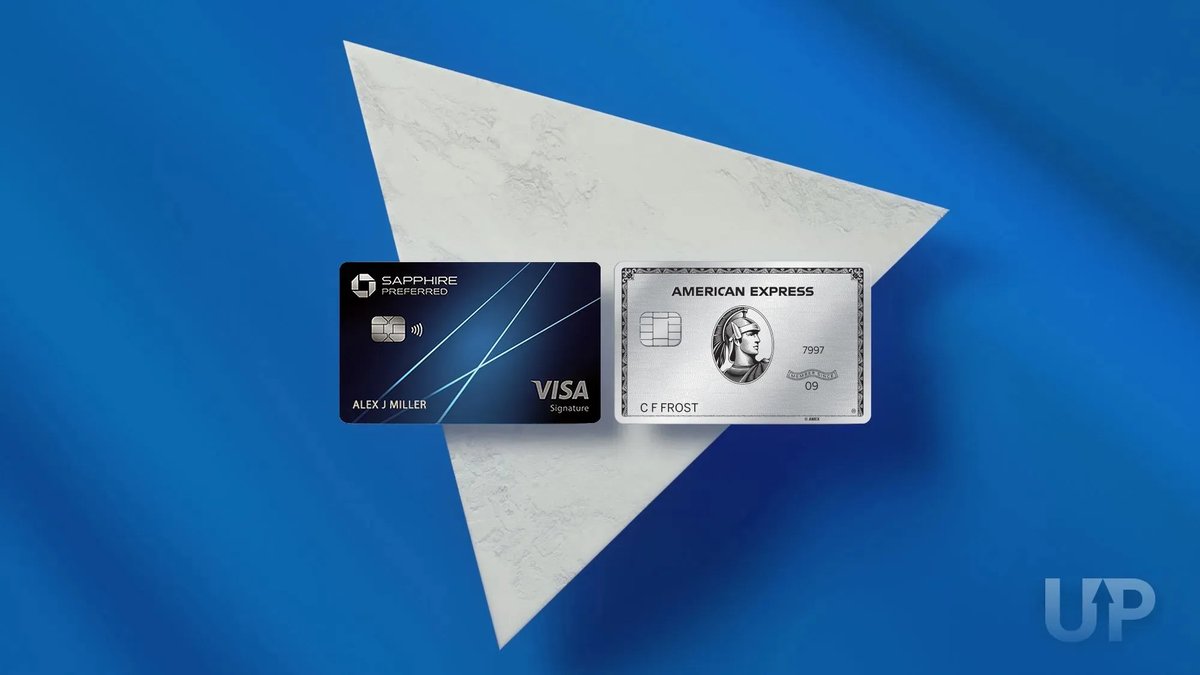
In the dynamic world of credit card rewards, few debates spark as much fervent discussion as the choice between American Express and Chase. Each issuer offers a compelling ecosystem of benefits, points, and perks. But what if you didn't have to choose? What if, by strategically wielding cards from both financial giants, you could unlock a level of travel and lifestyle rewards that far surpasses what either could offer alone? This isn't just about accumulating points; it's about leveraging the unique strengths of both programs to create a powerful, symbiotic financial strategy. Exploring the synergistic benefits of holding both Amex and Chase cards reveals a path to maximized value, elevated experiences, and unparalleled flexibility.
At a Glance: Dual-Wielding Amex & Chase for Max Value
- Complementary Strengths: Amex excels with luxury travel perks, airline transfer partners (especially for premium cabins), and strong earning categories for lifestyle and business. Chase shines with flexible travel redemptions via their portal, a universally loved hotel partner (World of Hyatt), and robust travel insurance.
- Point Powerhouses: Amex Membership Rewards (MR) points are slightly more valuable (~2.2 CPP) primarily due to high-value airline transfers. Chase Ultimate Rewards (UR) points average ~2 CPP, boosted by World of Hyatt and travel portal redemptions.
- Premium Pairings: The Amex Platinum + Chase Sapphire Reserve combo, while costly in annual fees, can yield over $2,000 in annual value through strategic credit utilization, lounge access, and superior earning/redemption options for frequent travelers.
- Everyday Earnings: Even no-annual-fee cards from both issuers (e.g., Amex Blue Business Plus, Chase Freedom Flex/Unlimited) contribute to these point pools, making a dual strategy accessible to various spending profiles.
- Enhanced Protections: Benefit from Amex's purchase protection and extended warranty alongside Chase's comprehensive travel insurance and primary car rental coverage.
- Strategic Redemptions: Use Amex MR for aspirational international flights and Chase UR for domestic flights or high-value hotel stays.
The Foundation: Understanding Two Reward Titans
Before we delve into the intricate dance of Amex and Chase, it's crucial to grasp what makes each program stand out. Think of them as two highly specialized tools in your financial toolkit, each designed for a specific set of tasks, yet incredibly powerful when used in concert.
American Express Membership Rewards (MR): The Luxury Enabler
Amex Membership Rewards points are often hailed as the king for aspirational travel, particularly premium cabin international flights. Their value hovers around 2.2 cents per point (CPP) when transferred to the right airline partner, with ANA Mileage Club being a notable example for incredible redemption rates.
Key Amex MR Features:
- Airline-Focused Transfers: A strong roster of airline partners, including Delta, ANA, Air Canada Aeroplan, British Airways, and Emirates, often with 1:1 transfer ratios (though some exceptions exist, like AeroMexico at 1:1.6 or JetBlue at 1:0.8). These partnerships are where MR points truly shine for luxury travel.
- Lucrative Earning Multipliers: Many Amex cards offer incredibly high earning rates in specific categories like dining, U.S. supermarkets, airfare, and business expenses.
- Premium Lifestyle Benefits: Amex is famous for its extensive suite of statement credits, lounge access (Centurion Lounges are legendary), and elite status perks with hotels and rental car companies, particularly on their Platinum-tier cards.
- Purchase Protections: Strong purchase protection, extended warranty, and return protection are standard on many Amex cards, offering peace of mind.
While direct redemption options like statement credits (0.6 CPP) or Amazon purchases (0.7 CPP) are significantly lower in value, AmexTravel.com can offer up to 1.53 CPP on flights with the 35% points rebate for Business Platinum and Platinum cardholders, providing a decent fallback.
Chase Ultimate Rewards (UR): The Flexible Workhorse
Chase Ultimate Rewards points are renowned for their flexibility and consistent strong value, particularly with World of Hyatt. Valued consistently at around 2 CPP thanks to robust transfer partners and boosted redemption rates through the Chase travel portal, UR points are incredibly versatile.
Key Chase UR Features:
- World of Hyatt Powerhouse: This is Chase's crown jewel. Transferring UR points to World of Hyatt at a 1:1 ratio can yield immense value, often exceeding 2 CPP for luxury hotel stays.
- Diverse Airline Partners: Solid airline partners like United Airlines, Southwest Airlines, and British Airways provide ample options for both domestic and international travel. All transfers are at a consistent 1:1 ratio, making calculations straightforward.
- Travel Portal Boost: Premium cards like the Chase Sapphire Preferred and Chase Sapphire Reserve offer a redemption boost when booking travel through the Chase travel portal (1.25 CPP and 1.5 CPP respectively), making direct bookings a viable option for those who prefer simplicity.
- Strong Travel Insurance: Chase cards, especially the Sapphire products, come with some of the best travel protections in the industry, including primary car rental insurance, trip cancellation/interruption insurance, and baggage delay coverage.
- Straightforward Earning: Chase cards often offer competitive multipliers on dining, general travel, and rotating bonus categories, making it easy to earn points on everyday spending.
Direct redemption options for Chase UR points are generally better than Amex's, with statement credits at 1 CPP and gift cards up to 1.1 CPP, though transferring to partners or using the travel portal for premium cards remains the highest value play.
Building Your Credit Card Arsenal: Best of Both Worlds
Now that we understand the core strengths, let's look at how specific cards from each issuer can create a powerhouse combination. The goal is to cover all your major spending categories with high multipliers and access a full suite of travel and lifestyle benefits.
For the Avid Traveler & Experience Seeker (Consumer Premium)
This is where the synergy truly shines. Pairing a premium Amex card with a premium Chase card can elevate your travel experience exponentially.
- The Platinum Card® from American Express: This card is less about earning points on everyday spend and more about unparalleled access and luxury perks. You get an astounding array of statement credits ($200 airline fee, $100 Saks, $600 Hotel, $300 Digital Entertainment, $200 Uber Cash, $300 Equinox, $209 CLEAR® Plus, $155 Walmart+), extensive airport lounge access (Global Lounge Collection including Centurion Lounges), Global Entry/TSA PreCheck reimbursement, and automatic Hilton Honors Gold and Marriott Bonvoy Gold Elite status. It earns 5x MR points on flights and prepaid hotels booked via AmexTravel.com.
- Chase Sapphire Reserve®: This card is a travel earning machine and a protection powerhouse. It offers an automatic $300 annual travel credit, 8x points on Chase Travel, 5x on Lyft (through 9/30/2027), 4x on airlines/hotels booked direct, and 3x on dining. Its value also comes from the 1.5 CPP redemption through Chase Travel, access to Chase Sapphire Lounges and Priority Pass Select, and best-in-class travel insurance including primary rental car insurance.
The Synergy: Amex Platinum provides the ultimate airport lounge access and a huge stack of lifestyle credits, while the Chase Sapphire Reserve handles superior point earning on travel and dining, fantastic travel insurance, and excellent direct travel portal redemption value. You can use Amex MR for those aspirational First/Business Class flights and Chase UR for high-value Hyatt stays or other partner flights where Chase has an edge. For a deeper dive into the specifics of an Amex and Chase card strategy, particularly for premium travel, understanding how these cards complement each other is key.
For the Everyday Spender & Foodie (Consumer Mid-Tier)
Not everyone needs a super-premium card, but mid-tier options still offer incredible value when combined.
- American Express® Gold Card: A true powerhouse for everyday spending. You earn 4x MR points at restaurants worldwide (up to $50,000/year) and U.S. supermarkets (up to $25,000/year). It also offers up to $120 annual dining statement credits and $120 annual Uber Cash, easily offsetting a significant portion of its annual fee.
- Chase Sapphire Preferred® Card: Often considered the gold standard for beginners in travel rewards. It earns 5x UR points on Lyft and travel through Chase Travel, and 3x UR points on dining. Its 1.25 CPP redemption through the Chase travel portal, solid travel insurance, and primary car rental insurance make it a strong contender.
The Synergy: The Amex Gold covers your supermarket and global dining needs with high MR point earning, while the Chase Sapphire Preferred picks up remaining travel and additional dining spend, providing access to Chase's robust transfer partners and travel protections. Together, they create a formidable earning engine for everyday categories.
For Business Owners
Business cards often come with even higher earning caps and specialized categories, making a dual strategy particularly potent for entrepreneurs.
- American Express® Business Gold Card: This card is designed for businesses with varied spending. It earns 4x MR points in the top two categories where your business spends most each month (from 6 options, up to $150,000 combined/year). Categories like transit, electronics/software, and advertising are common business expenses.
- Ink Business Preferred® Credit Card: A fantastic choice for businesses with significant spending in categories like internet/cable/phone, shipping, travel, and online advertising. It earns 3x UR points on the first $150,000 in combined purchases across these categories. It also provides cell phone insurance and primary rental car insurance.
The Synergy: The Amex Business Gold adapts to your business's fluctuating top spending categories, ensuring you always get 4x points where it matters most, while the Ink Business Preferred locks in high earning on consistent business services and travel. This combination covers a vast spectrum of business expenditures, funneling points into both ecosystems.
For No Annual Fee Point Accumulation
You don't need high annual fees to participate in the Amex/Chase synergy. These cards are perfect for filling in gaps and boosting your point totals.
- The Blue Business® Plus Card from American Express: An exceptional card for everyday business expenses. It earns 2x MR points on all eligible business purchases up to $50,000/year, making it one of the best no-annual-fee options for transferable rewards. This card acts as a crucial "keeper" card for your MR points.
- Chase Freedom Flex® / Chase Freedom Unlimited®: These cards are cash-back cards by nature, but their earnings can be converted into valuable UR points if you also hold a premium Chase card like the Sapphire Preferred or Reserve, or the Ink Business Preferred. The Freedom Flex offers 5% cash-back (5x UR) on quarterly rotating bonus categories, while the Freedom Unlimited provides an uncapped 1.5% cash-back (1.5x UR) on all other purchases.
The Synergy: The Blue Business Plus handles your general, uncategorized business spend with a solid 2x MR rate. Meanwhile, the Freedom cards become your ultimate UR point vacuums, capturing 5x points on rotating categories or a consistent 1.5x on everything else, all without an annual fee. This is a powerful way to enhance your Amex and Chase card strategy by minimizing costs while maximizing point accrual.
For Cash-Back Focus (Convertible to Points)
Even if your primary goal is cash-back, both issuers offer compelling cards whose "cash-back" can be converted to points with the right companion card.
- Blue Cash Preferred® Card from American Express: Earns 6% cash-back at U.S. supermarkets and on select U.S. streaming services (up to $6,000/year). While it earns cash-back, it's a stellar earner in critical categories.
- Ink Business Cash® Credit Card: Earns 5% cash-back (5x UR) on the first $25,000 spent in combined purchases at office supply stores and on internet, cable, and phone services each account anniversary year. Also earns 2% cash-back (2x UR) at gas stations and restaurants. The cash-back can be converted to UR points if paired with an Ultimate Rewards card.
The Synergy: The Blue Cash Preferred dominates your supermarket and streaming spend. The Ink Business Cash covers office supplies, utilities, and gas/dining for businesses. If you hold a Sapphire or Ink Preferred/Bold, the Ink Cash's "cash-back" instantly becomes transferrable UR points, creating an incredibly diverse earning strategy across both banks. This showcases the flexibility inherent in a well-planned Amex and Chase card strategy, even for cash-back enthusiasts.
The Apex Strategy: Amex Platinum & Chase Sapphire Reserve in Tandem
For the truly discerning traveler who demands the best, holding both the Amex Platinum and Chase Sapphire Reserve is the ultimate power move. Yes, the combined annual fees are substantial (Amex Platinum: $695; Chase Sapphire Reserve: $795 – subject to change), but for those who travel frequently and can leverage the benefits, the value easily eclipses the cost.
Why Dual Ownership Works
- Unrivaled Lounge Access:
- Amex Platinum: Grants access to the American Express Global Lounge Collection, including exclusive Centurion Lounges (often considered among the best), Delta Sky Clubs (when flying Delta), Plaza Premium Lounges, and Priority Pass Select (enrollment required). This is the gold standard for airport relaxation.
- Chase Sapphire Reserve: Provides Priority Pass Select membership (access to over 1,300 lounges globally) and access to the growing network of Chase Sapphire Lounges.
- The Benefit: You'll have access to almost every major lounge network, virtually guaranteeing a comfortable pre-flight experience no matter where you fly.
- Diverse Earning Strategies:
- Amex Platinum: Focuses on flights booked directly or via AmexTravel.com (5x MR points) and prepaid hotels via AmexTravel.com (5x MR points).
- Chase Sapphire Reserve: Offers higher earning on a broader range of travel (4x on airlines/hotels booked direct, 8x on Chase Travel) and dining (3x UR points). Its $300 annual travel credit makes it easy to earn net 3x/4x points.
- The Benefit: Use the Amex Platinum for flights and specific prepaid hotels, and the Chase Sapphire Reserve for dining, general travel, and other travel portal bookings, ensuring you're always getting top multipliers.
- Broadened Redemption Options:
- Amex MR: Excels with aspirational airline partners like ANA for premium international flights.
- Chase UR: Dominates with hotel redemptions through World of Hyatt (arguably the best hotel transfer partner) and offers strong value on domestic flights via partners like United or Southwest, or through the Chase travel portal (1.5 CPP).
- The Benefit: You have the flexibility to pursue virtually any travel goal – a luxurious First Class suite to Asia with Amex MR, or a fantastic stay at a Park Hyatt in Paris coupled with a domestic flight via Chase UR. This maximizes your point value across all types of travel.
- Comprehensive Travel Protections:
- Amex Platinum: Offers trip delay, trip cancellation/interruption, baggage insurance, and premium car rental loss and damage insurance (secondary).
- Chase Sapphire Reserve: Provides industry-leading primary car rental insurance, robust trip cancellation/interruption insurance, trip delay reimbursement (even short delays), baggage delay, and emergency medical/dental.
- The Benefit: You get overlapping and complementary protections, giving you peace of mind that you're covered for almost any travel mishap, from lost luggage to a fender bender abroad.
- Offsetting Annual Fees with Credits:
- Amex Platinum: Offers a huge suite of credits ($200 airline fee, $100 Saks, $600 Hotel, $300 Digital Entertainment, $200 Uber Cash, $300 Equinox, $209 CLEAR® Plus, $155 Walmart+, etc.) that can easily sum up to over $1,000 in value if utilized strategically.
- Chase Sapphire Reserve: Comes with a straightforward $300 annual travel credit that applies to a wide range of travel expenses, reducing its effective annual fee immediately.
- The Benefit: For those who organically use these services, the net cost of holding both cards becomes significantly lower, often turning a perceived high fee into a net positive value. This makes the Amex and Chase card strategy of carrying both premium cards a financially astute move for the right user.
The Recommendation: Keeping both the Amex Platinum and Chase Sapphire Reserve is highly advisable if you are a frequent traveler, regularly use airport lounges, value premium hotel and airline experiences, can fully utilize the annual and monthly credits, prefer flexible high-value redemptions, and desire elite status, concierge services, and comprehensive travel protection. If you find yourself maximizing less than 60-70% of the benefits from either card, however, it might be more cost-effective to consider downgrading one or choosing just one premium option.
Maximizing Your Combined Point Power: Real-World Scenarios
The beauty of a dual Amex/Chase strategy lies in its ability to adapt to diverse spending and redemption goals.
- Scenario 1: The Aspirational International Trip
- Earning: Use your Amex Gold for 4x MR points on dining and U.S. supermarkets. Use your Amex Platinum for 5x MR points on flights. Use your Chase Sapphire Reserve for 3x UR points on any additional dining and travel not covered by Amex.
- Redemption: Transfer Amex MR points to an airline partner like ANA Mileage Club for a First or Business Class flight to Japan. Use Chase UR points (potentially transferred to World of Hyatt) for a luxurious stay at a Park Hyatt property or transfer to United Airlines for a connecting flight.
- Synergy: Amex gets you the fancy flight; Chase gets you the amazing hotel.
- Scenario 2: Everyday Spending & Domestic Travel
- Earning: Use Amex Gold for 4x MR on U.S. supermarkets. Use Chase Freedom Flex for 5x UR on its quarterly bonus categories (e.g., gas stations, grocery stores not covered by Amex). Use Chase Freedom Unlimited for 1.5x UR on all other uncategorized spending.
- Redemption: Combine your UR points with your Sapphire Preferred/Reserve. Transfer UR points to Southwest Airlines for a domestic flight or book directly through the Chase Travel Portal at 1.25x/1.5x CPP.
- Synergy: Optimize every dollar spent with high multipliers from both issuers, then redeem efficiently for practical domestic travel.
- Scenario 3: Business Expenses
- Earning: Use Amex Business Gold for 4x MR on your top two spending categories (e.g., advertising and software). Use Ink Business Cash for 5x UR on internet/phone services and office supplies. Use Amex Blue Business Plus for 2x MR on all other business purchases up to $50,000.
- Redemption: Transfer Amex MR for a business trip flight upgrade. Transfer Chase UR to World of Hyatt for a business stay, or to United for domestic flights to client meetings.
- Synergy: Maximize earning across specific business categories and general spend, leveraging both points currencies for business travel efficiencies.
Navigating the Nuances: Common Questions & Considerations
How many annual fees are too many?
This is highly personal. The general rule is: if the tangible value you receive from a card's benefits, credits, and point earning/redemption exceeds its annual fee, it's worth it. For a dual Amex/Chase strategy, especially with premium cards, you need to be diligent in utilizing credits and maximizing redemptions. Regularly review your spending habits and travel patterns.
Will applying for so many cards hurt my credit score?
Each application results in a hard inquiry, which can temporarily dip your score by a few points. However, a diversified credit portfolio with responsible management (paying on time, keeping utilization low) generally benefits your score long-term. Both Amex and Chase have specific rules (e.g., Chase's 5/24 rule) that you'll need to be aware of when planning your applications.
What about foreign transaction fees?
Most travel-focused Amex and Chase cards, especially premium and mid-tier options, do not charge foreign transaction fees. Always check the specific card's terms and conditions before using it abroad. The Sapphire Preferred/Reserve are excellent choices for international travel thanks to no foreign transaction fees and robust travel insurance.
Can I mix and match points?
You cannot directly combine Amex MR points with Chase UR points. They operate as entirely separate currencies. The synergy comes from having both point pools available to transfer to different loyalty programs (airlines/hotels) or to use for different redemption types, thereby giving you a wider array of options and ensuring you always get the best value for a specific redemption goal.
Is this strategy suitable for everyone?
No. This strategy is best for individuals or businesses with significant spending (often $30,000+ annually), a love for travel (especially premium travel), and the discipline to manage multiple cards and utilize their benefits. If you spend less, travel infrequently, or prefer simplicity, a single issuer or a simpler card strategy might be more appropriate. For many, a single premium card or a combination of no-annual-fee cards might be a more fitting Amex and Chase card strategy.
Charting Your Course to Maximized Rewards
The journey to synergistic rewards with American Express and Chase is not a one-size-fits-all path. It requires careful planning, an understanding of your spending habits, and a clear vision for your travel aspirations. By thoughtfully selecting cards from both issuers, you create a powerful, flexible, and immensely valuable rewards ecosystem that can unlock experiences far beyond what a single bank could offer.
Start by assessing your highest spending categories: Do you dine out a lot? Buy groceries? Have significant business expenses? Then identify the Amex and Chase cards that offer the highest multipliers for those areas. Next, consider your travel goals: Are you dreaming of a First Class flight, or luxurious hotel stays? This will guide your redemption strategy and determine which transfer partners you prioritize.
Ultimately, holding cards from both Amex and Chase isn't just about collecting plastic; it's about making your money work harder for you, transforming everyday spending into extraordinary adventures. It's about building a financial foundation that is robust, flexible, and tailored to your unique lifestyle and goals. Embrace the synergy, and watch your travel dreams take flight.