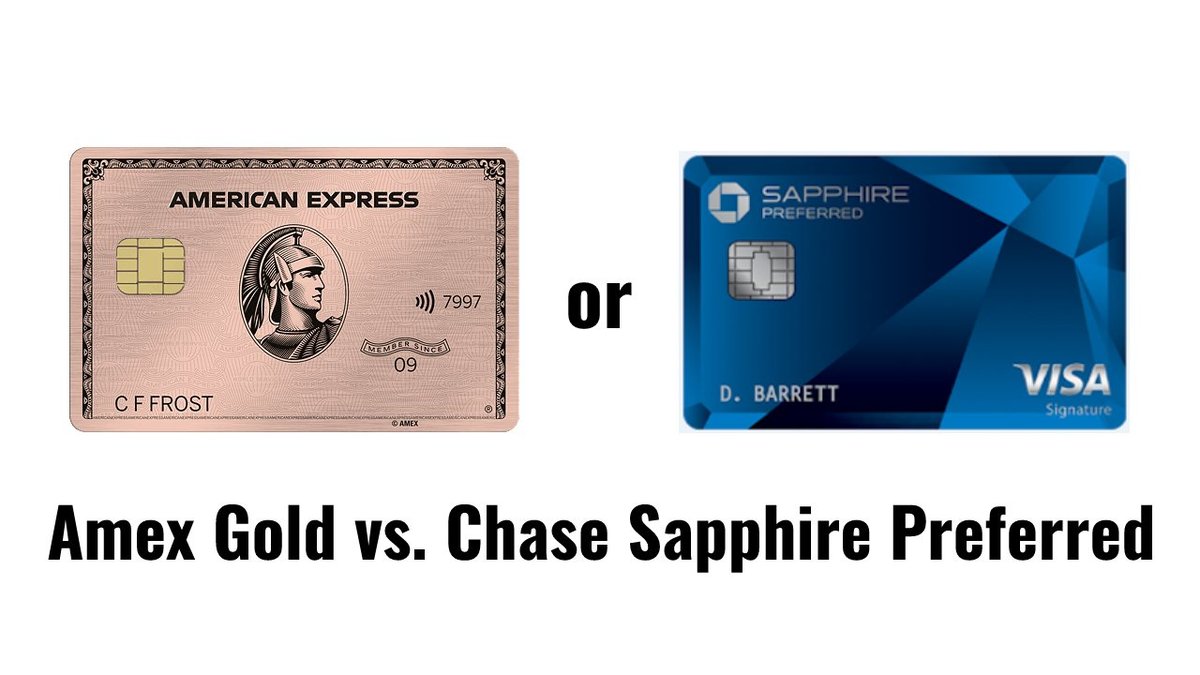
Deciding between American Express (Amex) and Chase for your travel rewards strategy is one of the most critical financial choices a traveler can make. Both financial giants offer compelling, yet vastly different, ecosystems designed to reward your spending, but their approaches to points, perks, and overall value are distinct. This guide aims to provide a comprehensive and trustworthy breakdown, comparing Amex vs. Chase ecosystems and offerings to help you make truly smart choices in 2025 and beyond.
It’s not just about which card has the flashiest benefits; it’s about understanding the underlying philosophies, application rules, and redemption sweet spots that dictate long-term value. Whether you're a beginner just dipping your toes into the world of points and miles or a seasoned expert chasing aspirational luxury travel, getting this decision right can unlock incredible experiences or leave you feeling short-changed.
At a Glance: Amex vs. Chase — The Core Differences
- Chase: Simpler, lower annual fees, generally better travel insurance, fantastic value with World of Hyatt, crucial for beginners due to the 5/24 rule.
- Amex: More complex, higher annual fees, requires active management of "coupon book" credits, higher potential for luxury international business/first class redemptions, superior earning on specific categories like dining and supermarkets.
- Point Values: Chase Ultimate Rewards (UR) points consistently yield ~2 cents per point (CPP). Amex Membership Rewards (MR) points have a higher ceiling, potentially reaching 2.2 CPP or more for luxury redemptions, but are more volatile.
- Strategic Application: Start with Chase cards to preserve 5/24 slots, then move to Amex, following their specific application order for bonus eligibility.
Decoding the Jargon: Key Rules and Terms You Need to Know
Before we dive deep, it’s essential to understand the unique rules that govern these two ecosystems. Navigating these requirements can significantly impact your eligibility for lucrative sign-up bonuses.
The Chase 5/24 Rule
This is perhaps the most famous and restrictive rule in the credit card world. The Chase 5/24 Rule dictates that you will likely be denied for most Chase credit cards if you have opened five or more personal credit card accounts from any bank within the last 24 months. This includes cards from Amex, Citibank, Capital One, and even other Chase cards. Business cards from most issuers (except Capital One and Discover) typically do not count towards your 5/24 limit, which is a key loophole for strategists.
Amex Family Language (2025)
American Express has been steadily rolling out new restrictions, often referred to as "family language," especially impactful in 2025. This language specifies a particular order for applying for certain Amex cards to qualify for their sign-up bonuses. For instance, you might need to acquire a Green Card before a Gold Card, and a Gold Card before a Platinum Card, to be eligible for all their respective bonuses. Applying for a higher-tier card first can make you permanently ineligible for the bonus on a lower-tier card in the same "family."
Chase Ultimate Rewards (UR) Points
This is Chase's transferable points currency. Ultimate Rewards points are highly flexible and valuable. They can be redeemed for a fixed value through the Chase Travel portal (typically 1.25 CPP or 1.5 CPP with premium cards) or transferred 1:1 to a host of airline and hotel partners. Their consistent value and ease of use make them a favorite for many travelers.
Amex Membership Rewards (MR) Points
Amex's equivalent, Membership Rewards points, are renowned for their high potential value, especially for luxury international travel. Like UR, they can be transferred to various airline and hotel partners, though some transfer ratios are not 1:1 (e.g., AeroMexico 1:1.6, JetBlue 1:0.8, Hilton Honors 1:2). While MR points offer incredible redemption opportunities, their value can be more volatile, as Amex has historically devalued transfer partners (e.g., Cathay Pacific transfer rate change from 1:1 to 5:4).
Amex vs. Chase: Fundamental Philosophies
Each ecosystem approaches rewards and customer engagement with a distinct philosophy. Understanding these core differences is key to choosing which aligns best with your travel style and financial habits.
Chase: The "Set It and Forget It" Approach
Chase's ecosystem is often lauded for its simplicity and consistent value. It's the "set it and forget it" option, perfect for those who want strong rewards without needing to actively manage a complex web of credits and rules.
- Ease of Use: Earning and redeeming are generally straightforward. The Chase Trifecta (Sapphire Preferred, Freedom Flex, Freedom Unlimited) has a low effective annual fee, often around $95.
- Consistent Value: Ultimate Rewards points maintain a high, predictable value, especially when transferred to World of Hyatt.
- User-Friendly Redemptions: Minimum 1.25 CPP through the Chase Travel portal (with Sapphire Preferred/Reserve) and instant 1:1 transfers to valuable partners like Hyatt.
- Lower Barrier to Entry: Lower annual fees on their core cards make them accessible for a wider audience.
Amex: The "High Maintenance Ferrari"
American Express, on the other hand, operates more like a high-performance luxury vehicle – it offers unparalleled experiences but demands active engagement and a willingness to pay a premium.
- Active Management Required: Amex cards, particularly the Platinum, carry very high annual fees ($895 for the Platinum, $325 for the Gold). To justify these costs, you must actively utilize their extensive "coupon book" of credits (e.g., hotel credits, Uber Cash, Resy, Saks, digital entertainment). These credits require user engagement to recoup the fee.
- Higher Potential, Higher Effort: While the potential reward values are higher, especially for luxury International Business/First Class travel, achieving them often means navigating complex award charts and searching for niche redemptions.
- Premium Brand Experience: Amex provides a host of premium travel benefits like extensive lounge access, elite hotel status, and exclusive experiences, catering to luxury travelers.
- Superior Earning in Key Categories: Amex cards often offer higher multipliers in specific, high-spend categories like dining and U.S. supermarkets.
Navigating the Rules: Strategic Application in 2025
Strategic card acquisition is absolutely crucial in 2025 due to evolving bank rules. Rushing into the wrong ecosystem first can significantly hinder your long-term rewards potential.
The Beginner's Golden Rule: Start with Chase
For nearly every beginner in the points and miles game, the advice is unequivocal: always start with Chase cards. Why? Because of the dreaded 5/24 rule. If you open five or more personal credit cards from other banks within 24 months, you'll be locked out of most valuable Chase cards for two years.
Acquiring a few Amex cards first, which don't have a similar hard-and-fast rule, could inadvertently close the door on excellent Chase cards like the Sapphire Preferred or Freedom Flex. Prioritize filling your 5/24 slots with Chase cards, then turn your attention to Amex.
Amex Application Order for Maximized Bonuses
Once you've secured your essential Chase cards and are ready for Amex, remember the new Amex Family Language for 2025. To maximize your sign-up bonuses across the Membership Rewards lineup, it's generally advised to apply in a specific order:
- Amex Green Card: Often the entry point for the "family."
- Amex Gold Card: Provides excellent dining and supermarket multipliers.
- Amex Platinum Card: The premium travel card with extensive benefits.
Applying for a Platinum card first can make you ineligible for the Gold card's bonus later, potentially leaving thousands of valuable Membership Rewards points on the table. Plan your applications carefully.
Earning Your Rewards: Points, Multipliers, and Ecosystems
Both Chase and Amex offer powerful earning structures, but they cater to different spending habits and reward types. Let's look at their popular multi-card setups.
The Chase Trifecta: Simple, Effective Earning
The Chase Trifecta is a classic strategy that combines three specific Chase cards to maximize earning on everyday spending while providing flexible redemption options. With a total effective annual fee of roughly $95 (primarily from the Sapphire Preferred), it’s an affordable powerhouse.
- Chase Sapphire Preferred ($95 AF): Serves as the hub, allowing you to transfer points to partners. Earns 3x on dining and online grocery purchases, 2x on general travel, and 5x on Lyft and Chase Travel portal bookings.
- Chase Freedom Flex ($0 AF): Offers 5x points on rotating quarterly categories (up to $1,500 spend per quarter), 5x on Chase Travel, and 3x on dining and drugstores.
- Chase Freedom Unlimited ($0 AF): The baseline card for all other spending, earning 1.5x points on every purchase.
Verdict: The Chase Trifecta is strong for average spenders, offering a solid 1.5x floor on all purchases. However, it lacks a permanent, high multiplier for everyday grocery spending (outside of the rotating categories for Freedom Flex or online grocery for Sapphire Preferred).
The Amex Duo/Trifecta: High-Value, Category-Specific Earning
Amex's common multi-card setups are tailored for specific high-spending categories and for those willing to pay higher annual fees for outsized rewards.
- Amex Gold Card ($325 AF): A foodie's dream. Earns an impressive 4x points on dining at restaurants worldwide and 4x points at U.S. supermarkets (on up to $25,000 in purchases per calendar year). It also comes with valuable credits like up to $120 dining and up to $120 Uber Cash annually.
- Amex Blue Business Plus ($0 AF): The unsung hero. This no-annual-fee business card earns 2x Membership Rewards points on all everyday business purchases, up to $50,000 per year. This is arguably the best "catch-all" card for non-bonused spending within the Amex ecosystem.
- Amex Platinum Card ($895 AF): While primarily a benefits card, it earns 5x points on flights booked directly with airlines or through AmexTravel.com (up to $500,000 per year) and 5x points on prepaid hotels booked through AmexTravel.com.
Verdict: Amex's setup is superior for heavy spenders in food-related categories (Amex Gold) and for businesses due to the Blue Business Plus's generous 2x earning on all other purchases. The Platinum card's 5x on flights is excellent but carries a hefty fee justified more by its lounge access and credits.
Redeeming Your Riches: Where Points Shine Brightest
Earning points is only half the battle; knowing how to redeem them for maximum value is where the real magic happens.
Chase's Secret Weapon: World of Hyatt
Chase Ultimate Rewards points truly shine when transferred to World of Hyatt. This partnership is Chase's "ace" and provides incredibly consistent and high-value redemptions.
For example, a night at the luxurious Park Hyatt Kyoto can easily cost $1,500 cash. However, transferring 40,000 Chase points to Hyatt can book that same night, effectively valuing your points at a staggering 3.75 cents per point! Hyatt points consistently yield 2.0+ CPP, making Chase the undisputed champion for hotel stays, especially in the luxury segment. Chase maintains consistent 1:1 transfer ratios across all its partners, simplifying redemption.
Amex's Luxury Niche: International Business/First Class
If your travel dreams involve lying flat in the sky on a long-haul international flight, Amex Membership Rewards is often your best bet. Amex excels for booking luxury lie-flat seats via partners like ANA and Avianca LifeMiles, which Chase lacks as direct transfer options.
Consider ANA First Class: a cash ticket can easily exceed $12,000. Through Amex partners like Virgin Atlantic, you could potentially book this for just 85,000-110,000 Amex points, yielding an astonishing 10.9 CPP or more. These "unicorn" redemptions are where Amex truly outshines, but they often require significant research, flexibility, and a willingness to play the award availability game.
It's worth noting that Amex has some non-1:1 transfer ratios (e.g., AeroMexico 1:1.6, JetBlue 1:0.8, Hilton Honors 1:2), which can affect point value depending on your chosen partner. Also, be aware that Amex charges a federal excise tax offset fee (0.0006 cents per point) for transfers to U.S.-based airlines like Delta. Chase does not charge this.
A Warning Against Point Hoarding
Regardless of the ecosystem, a critical piece of advice is to avoid hoarding points without a specific redemption plan. Amex, in particular, has a history of devaluing transfer partners (like the Cathay Pacific example). Points are a perishable currency; bank them, but aim to use them within a reasonable timeframe for a tangible goal.
The Price of Play: Annual Fees and How to Offset Them
Both Amex and Chase offer premium cards with annual fees, but their approaches to justifying these costs differ significantly.
Amex's "Coupon Book" Strategy
Amex cards, especially the Platinum ($895 AF), are famous for their high annual fees. To recoup these costs, Amex provides a plethora of statement credits, often referred to as a "coupon book." For the Amex Platinum alone, these credits can include:
- Up to $200 airline fee credit
- Up to $100 Saks Fifth Avenue credit
- Up to $600 hotel credits (Amex Fine Hotels + Resorts and The Hotel Collection)
- Up to $300 digital entertainment credit
- Up to $200 Uber Cash
- Up to $300 Equinox credit
- Up to $209 CLEAR Plus credit
- Up to $155 Walmart+ credit
Active management and utilization of these credits are absolutely necessary to offset the high annual fees. If you don't use the credits, you're essentially paying full price for the card's other benefits. This is why Amex is described as "high maintenance" – you need to work to extract its value.
Chase's More Straightforward Approach
Chase's premium cards, like the Sapphire Reserve ($550 AF), also come with a significant annual fee, but their offset mechanism is generally simpler. The Sapphire Reserve, for example, offers a straightforward $300 annual travel credit that automatically applies to a wide range of travel-related purchases. This credit is much easier to use than Amex's segmented credits.
The Value of Annual Fees
It's a common misconception that no-annual-fee cards are always better. In the world of travel rewards, high annual fees on premium cards often provide greater overall value through extensive benefits, statement credits, and robust travel protections compared to their no-annual-fee counterparts. The key is to assess whether the value you derive from these benefits and credits exceeds the annual fee.
Beyond Points: Travel Insurance & Protections
When unforeseen circumstances disrupt your travels, the right credit card can be a lifesaver. This is an area where Chase generally holds an advantage.
Chase: Robust Travel Insurance
Chase cards, particularly the Sapphire Preferred and Sapphire Reserve, are renowned for their superior travel insurance benefits. They typically offer:
- Primary Rental Car Insurance: This means the card's insurance kicks in before your personal auto insurance, potentially saving you from filing a claim that could impact your premiums.
- Generous Trip Delay Reimbursement: Often starting after a 6 or 12-hour delay, covering expenses like meals and lodging.
- Trip Cancellation/Interruption Insurance: Comprehensive coverage for non-refundable expenses if your trip is canceled or cut short for covered reasons.
- Baggage Delay and Lost Baggage Reimbursement.
These protections offer significant peace of mind when traveling.
Amex: Generally Secondary Coverage
Most Amex cards offer secondary rental car coverage, meaning it kicks in only after your personal auto insurance has paid out. While you can purchase additional premium protection from Amex for a flat fee per rental, it's not standard. Amex does offer some trip cancellation/interruption and baggage insurance on its premium cards, but generally, Chase's offerings are more comprehensive and often kick in sooner for delays.
Side-by-Side: Card Category Winners
Based on the 2025 landscape and ground truth, here's a quick reference for the top cards in various categories:
- Winner for Beginners: Chase (due to 5/24 simplicity, lower fees, and consistent Hyatt value).
- Winner for Big Spenders & Experts: Amex (due to superior earning rates on key categories and access to niche luxury redemptions).
- Overall Travel Rewards Card (Mid-tier): Amex Gold Card (Winner), Chase Sapphire Preferred Card (Runner-Up).
- Overall Business Card: Amex Business Gold Card (Winner), Ink Business Preferred Credit Card (Runner-Up).
- Premium Travel Rewards Card: Platinum Card from American Express (Winner), Chase Sapphire Reserve (Runner-Up).
- Premium Travel Rewards Business Card: The Business Platinum Card from American Express (Winner).
- No Annual Fee Personal Card: Chase Freedom Flex (Winner), Chase Freedom Unlimited (Runner-Up).
- No Annual Fee Business Card: The Blue Business Plus Card from American Express (Winner), Ink Business Unlimited Credit Card (Runner-Up).
- Personal Cash-Back Card: Blue Cash Preferred Card from American Express (Winner), Blue Cash Everyday Card from American Express (Runner-Up).
- Business Cash-Back Card: Ink Business Cash Credit Card (Winner), The American Express Blue Business Cash Card (Runner-Up).
Making the Ecosystems Work Together: A Complementary Approach
While direct transfers between Chase Ultimate Rewards and Amex Membership Rewards are not possible, that doesn't mean you can't leverage both ecosystems simultaneously. In fact, having both Amex and Chase can be incredibly powerful, allowing you to cherry-pick the best benefits and earning rates from each.
You can often combine miles and points from both programs by transferring them to shared airline partners. For instance, both Chase and Amex can transfer points to partners like Air Canada Aeroplan, Air France/KLM Flying Blue, and British Airways Executive Club. This strategy allows you to consolidate your points from different cards for a single ticket, unlocking redemptions that might be out of reach with points from only one program. This is a common tactic for advanced points and miles users looking to maximize every single point.
Your Path Forward: Choosing the Right Ecosystem(s)
Deciding between Amex and Chase isn't about declaring one definitively superior; it's about identifying which ecosystem, or combination of both, best fits your unique financial profile, spending habits, and travel aspirations.
Consider these decision criteria:
- Your Willingness to Manage: Are you happy to track credits and actively seek out redemption sweet spots (Amex), or do you prefer a simpler, more consistent approach (Chase)?
- Your Spending Habits: Do you spend heavily on dining and U.S. supermarkets (Amex Gold), or do you prefer a strong baseline for all purchases (Chase Freedom Unlimited) and robust travel categories (Chase Sapphire Preferred)?
- Your Travel Goals: Are you dreaming of luxury international business/first class flights (Amex), or are you more focused on high-value domestic hotel stays with partners like Hyatt (Chase)?
- Your Risk Tolerance: Are you comfortable with potentially volatile point values for higher ceilings (Amex), or do you prefer predictable, high-floor valuations (Chase)?
- Your Credit Card Application History: If you're over 5/24, Chase cards are off the table for now, making Amex a more immediate option. If you're under, start with Chase.
- Your Budget for Annual Fees: Can you comfortably absorb and effectively offset higher annual fees, or do lower, more straightforward fees appeal more?
For beginners, the path is clear: prioritize Chase cards to establish your 5/24 slots, securing valuable cards like the Chase Sapphire Preferred and Freedom Flex/Unlimited. Once those are in place, and you're ready to embrace a more active management style, turn your attention to Amex, following their specific application order for bonus eligibility.
For big spenders and seasoned experts, a hybrid approach of having both Amex and Chase is often the most rewarding. This allows you to leverage Chase for its unparalleled Hyatt value and strong travel insurance, while tapping into Amex for its superior earning on dining/groceries, premium lounge access, and aspirational international flight redemptions.
Ultimately, the smartest choice is the one that empowers your travel dreams and financial reality. Take the time to assess your needs, understand the rules, and make an informed decision that will lead to years of rewarding travel.
Untuk pemahaman lebih lengkap, baca panduan utama kami: Having both Amex and Chase